
Built to feed the support systems Wisconsin schools are committed to.
Wisconsin schools are building stronger student support through Wisconsin's Framework for Multi-Level Systems of Supports (WiMLSS), positive behavior practices, school mental health systems, and continuous-improvement processes that depend on behavior, participation, climate, and engagement data. Across Wisconsin guidance, common themes include strong universal systems, earlier intervention, evidence-based practices, and a positive school culture that supports the whole child.
Socrait is a voice-powered class companion that helps schools turn what teachers already observe into clear documentation. It listens to the teacher's voice while they teach, never to students, and turns what they say into behavior notes, praise and redirection patterns, class summaries, parent-communication drafts, and observations that support your MTSS and PBIS work. It keeps teachers in control, anonymizes student names before any data reaches an AI model, and stores no audio.
The Wisconsin Education Landscape
Wisconsin gives districts substantial local discretion, while DPI provides statewide guidance, support, and oversight. The Department of Public Instruction promotes strong, integrated systems of support through frameworks, technical assistance, professional learning, and funding opportunities and districts choose the specific programs and tools that fit their communities, within applicable local, state, and federal requirements. Socrait is built to support whatever framework your district has adopted, not to replace it.
WiMLSS and the Strong Universal Level (Tier 1).
Wisconsin's Framework for Multi-Level Systems of Supports centers equity and emphasizes high-quality universal instruction, evidence-based practices, collaboration among staff and families, strong shared leadership, positive culture, and the strategic use of data for continuous improvement. Universal screening and progress monitoring are highlighted as especially important for system decision-making.
PBIS and positive school culture.
DPI describes PBIS as an evidence-based, school-wide approach to teaching behavioral expectations to staff, students, and families, increasing safety and reducing behavior that interferes with learning. Wisconsin's statewide PBIS work is supported through a long-standing collaboration among DPI, the Wisconsin RtI Center, and the state's regional CESAs, which provide professional development and technical assistance to schools.
Engagement, participation, and continuous-improvement data.
Schools report discipline data and attendance through Wisconsin's WISEdata and WISEdash systems, and DPI points districts toward behavior, attendance, climate, and engagement data in continuous-improvement work. Wisconsin's older dropout early warning dashboards were discontinued in 2023, and DPI encourages districts to use local data to guide intervention.
Special education
When a student's behavior impedes their learning or that of others, the IEP team must consider positive behavioral interventions and supports and other strategies. Grounded, timely classroom evidence makes that work and any functional behavioral assessment or behavior intervention plan that follows more accurate and more useful.
Why It Matters for Wisconsin Educators
When schools ask teachers to keep Tier 1 expectations consistent, contribute to MTSS and PBIS problem-solving, communicate with families, and provide specific classroom evidence for intervention discussions, the burden too often falls on memory and after-school paperwork. The result is documentation that arrives late, loses detail, or never gets written at all.
Educator retention is an active concern in Wisconsin, and follow-up paperwork is part of the load that wears teachers down. Reducing it is not the whole answer, but it is a meaningful one and it puts better evidence in front of the teams who need it.
How Socrait Fits
Socrait listens to the teacher, not the students, and turns everyday narration into usable documentation. There is no audio recording and no new workflow to learn.

Press Stream when class starts.
The teacher activates Socrait manually. It listens only when they choose to start it, and they can stop at any time.
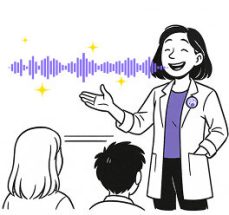
They teach like they always teach.
As the teacher narrates the room — a redirection, a win, a check-in, a note to follow up with a parent — Socrait seamlessly collects it in the background. No audio is stored, and student names are anonymized before any data reaches an AI model.

After class, the documentation is waiting.
Dated, organized, and ready for review and editing before anything is used or shared.
Your SIS, your IEP system, and your PBIS platform don't go away. Socrait feeds them the consistent, ground-level data they've been starving for without adding another data-entry job to your teachers' week.
What Socrait produces:
- Praises and warnings daily student tally
- MTSS tier 1 and PBIS-ready classroom observations
- Parent-communication drafts
- Class summaries, assignment changes, and reminders
- Student profiles with behavior tracking and summaries for context
- Behavior tracking over time with custom messages
- Engagement, participation, and attendance signals
Wisconsin-Aligned Use Cases
WiMLSS / MTSS documentation
Collect the timely, classroom-level evidence that universal support, progress monitoring, and problem-solving teams depend on in a form they can actually use.
PBIS and Tier 1
Surface patterns in praise, warnings, and redirection so teams can see what's working at the universal level and where consistency is slipping.
Participation, attendance and engagement
Note engagement and participation signals as they happen, supporting the same behavior, attendance, and climate picture reflected in WISEdash.
Parent communication and student-support meetings
Turn what happened in class into clear, parent-ready language and meeting-ready notes, so conferences and intervention discussions start from specifics.
Special education and continuous improvement
Give student-services teams grounded classroom observations to inform intervention discussions and, when needed, FBA and BIP work and feed the engagement data that drives continuous improvement.
What Wisconsin Leadership Gets
Principals and assistant principals:
More consistent classroom-level behavior evidence to support PBIS, school-climate, and intervention conversations.
Special-education and student-services directors:
Dated, specific classroom observations that make intervention discussions, family communication, and when needed, FBA or BIP work more grounded in what actually happened.
MLSS and PBIS leads:
A practical way to get usable Tier 1 evidence flowing into the systems your teams already run, without standing up another parallel process.
Teachers:
Relief from the mental load of trying to remember every behavior, redirection, and follow-up after the bell and fewer hours of after-school paperwork.
Privacy and security with Socrait
- FERPA compliant. iKeepSafe certified.
- Socrait does not record. It has been trained to listen.
- No audio is stored.
- Student names are anonymized before any data goes to AI models.
- No teacher or student data is sold or shared.
- Socrait is a Public Benefit Corporation. That is our legal structure, not a slogan.
Full security and privacy documentation is available for your IT and legal review before any conversation about deployment.
Socrait holds the day for teachers, so they don’t have to carry it home, and everyone gets the data they need from the classroom.
Bring your principal, your MLSS or PBIS lead, a student-services leader, and a classroom teacher. We'll show how Socrait strengthens the classroom documentation layer behind Wisconsin's support systems, while staying teacher-controlled, privacy-conscious, and free of stored audio.