
The classroom evidence your support systems run on, collected from the teacher's own voice.
New Jersey requires districts to maintain I&RS processes that identify student learning, behavior, and health difficulties, document action plans, maintain records, involve parents or guardians, and review outcomes over time. Socrait is a voice-powered class companion that turns what a teacher already says while teaching into organized documentation — behavior notes, praise and redirection patterns, parent-communication drafts, and class summaries. No recording. No stored audio. Teacher-controlled, start to finish.
The New Jersey Education Landscape
New Jersey ties behavior, climate, documentation, and student support into one coordinated approach and the distinction between what is required and what the state supports matters for how you plan.
Required: Intervention and Referral Services (I&RS).
Under N.J.A.C. 6A:16-8.1 and 8.2, every district board of education must establish and implement a coordinated system of Intervention and Referral Services in each school building serving general education students. That system must identify student learning, behavior, and health difficulties; collect information; develop and implement action plans; actively involve parents; maintain records of requests, action plans, and related student information; review the effectiveness of those actions; and review action plans annually. This is the concrete, regulatory documentation obligation that classroom evidence feeds.
The state framework: NJTSS.
The New Jersey Tiered System of Supports is the state's framework for organizing this work that is built on the core components of MTSS and the tiered-prevention logic of RTI, with nine essential components spanning leadership, family and community engagement, positive school culture and climate, universal screening, data-based decision making, collaborative teams, progress monitoring, and more.NJTSS is the state-supported framework for organizing tiered supports; I&RS is the coordinated system New Jersey regulations require. Districts choose the multidisciplinary approach; I&RS is the system the code requires.
NJ PBSIS.
New Jersey Positive Behavior Support in Schools is a partnership between the NJDOE Office of Special Education and The Boggs Center at Rutgers, funded through IDEA Part B. It provides no-cost professional development and multi-year coaching to schools selected through a competitive application process with robust statewide support, but not a universal mandate for every building.
School climate, SEL, and mental health.
NJDOE encourages schools to use the no-cost New Jersey School Climate Improvement (NJ SCI) platform to survey students, families, and staff; supports implementation of the state's SEL competencies, including the free "Brick by Brick" leadership course developed with Rutgers; and provides comprehensive school-based mental-health guidance organized around tiered supports.
Socrait does not satisfy any of these obligations on its own, and the state does not require any specific documentation product. What the state expects is early identification, coordinated planning, recordkeeping, and ongoing review. Socrait helps schools produce the classroom-level evidence those expectations depend on.
Why It Matters for New Jersey Educators
The framework is rarely the hard part. The evidence is.
I&RS action plans, NJTSS team reviews, family communication, and behavior-support planning all assume someone can produce specific, dated, classroom-level detail when a team sits down to decide what to do next. In practice, those observations live in a teacher's head until there's time to write them down — usually after hours, often days later, frequently reconstructed from memory.
That gap costs twice. Support teams walk into meetings with partial recollections instead of a detailed account. And teachers carry the documentation burden home, on top of everything else. New Jersey has put real, public emphasis on reducing administrative load and reclaiming educator time. Closing the distance between what happens in a classroom and what ends up in the record helps on both fronts with better evidence for the system, less after-hours paperwork for the people holding it up.
How Socrait Fits
Socrait listens to the teacher, not the students, and turns everyday narration into usable documentation. There is no audio recording and no new workflow to learn.

Press Stream when class starts.
The teacher activates Socrait manually. It listens only when they choose to start it, and they can stop at any time.
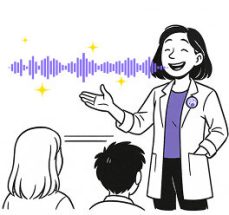
They teach like they always teach.
As the teacher narrates the room — a redirection, a win, a check-in, a note to follow up with a parent — Socrait seamlessly collects it in the background. No audio is stored, and student names are anonymized before any data reaches an AI model.
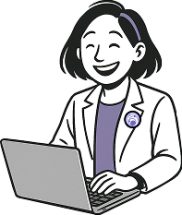
After class, the documentation is waiting.
Dated, organized, and ready for review and editing before anything is used or shared.
Your SIS, your IEP system, and your PBIS platform don't go away. Socrait feeds them the consistent, ground-level data they've been starving for without adding another data-entry job to your teachers' week.
What Socrait produces:
- Praises and warnings daily student tally
- MTSS tier 1 and PBIS-ready classroom observations
- Parent-communication drafts
- Class summaries, assignment changes, and reminders
- Student profiles with behavior tracking and summaries for context
- Behavior tracking over time with custom messages
- Engagement, participation, and attendance signals
New Jersey-Aligned Use Cases
I&RS action-plan documentation.
Bring dated observations, collected information, and factual context into the requests, action plans, and annual reviews the code requires to support your established I&RS procedures rather than replacing them.
NJTSS / MTSS team reviews.
Give collaborative problem-solving teams classwide and student-level behavioral detail to ground tiered decisions and progress monitoring.
NJ PBSIS Tier 1 consistency.
Collect praise, redirection, routines, and behavior-specific feedback consistently across teachers, improving the quality of Tier 1 reflection and behavior-support planning.
Engagement, participation, and attendance intervention.
Pair daily signals with classroom context to strengthen follow-up and the data behind a school's corrective action plan.
Parent communication and student-support meetings.
Turn what happened in class into parent-ready drafts and meeting-ready summaries, so family outreach and support conversations start from evidence, not memory.
What New Jersey Leadership Gets
Principals and assistant principals:
More consistent classroom evidence across teachers, which is the foundation for school-climate conversations, Tier 1 reflection, and team-based problem solving grounded in data rather than impressions.
Child study teams and special-education directors:
Teachers can bring fuller, dated factual context into FBA, behavior-intervention, and student-support workflows, while your team continues to use district-approved procedures and systems.
I&RS and MTSS coordinators:
Staff walk into meetings with collected information, class summaries, and clearer behavior context supporting the identification, recordkeeping, and review cycle the regulations require.
Teachers:
Less memory load and less after-hours documentation. The work happens in the flow of teaching instead of after the bell, in line with New Jersey's focus on reducing administrative burden and reclaiming educator time.
Privacy and security with Socrait
- FERPA compliant. iKeepSafe certified.
- Socrait does not record. It has been trained to listen.
- No audio is stored.
- Student names are anonymized before any data goes to AI models.
- No teacher or student data is sold or shared.
- Socrait is a Public Benefit Corporation. That is our legal structure, not a slogan.
Full security and privacy documentation is available for your IT and legal review before any conversation about deployment.
Socrait offers better data and more opportunities for positive change.
See it with the people who'd use it. Bring your principal, your I&RS or NJTSS lead, your child study team or special-education director, and one classroom teacher. We'll show how Socrait helps your schools produce stronger documentation for I&RS and NJTSS, positive family communication, and less end-of-day paperwork for teachers.